
South Africa · africa
Abu Bakr Effendi
Sent from Istanbul to settle a quarrel at the bottom of Africa, he stayed twenty years and lit a light that still burns.
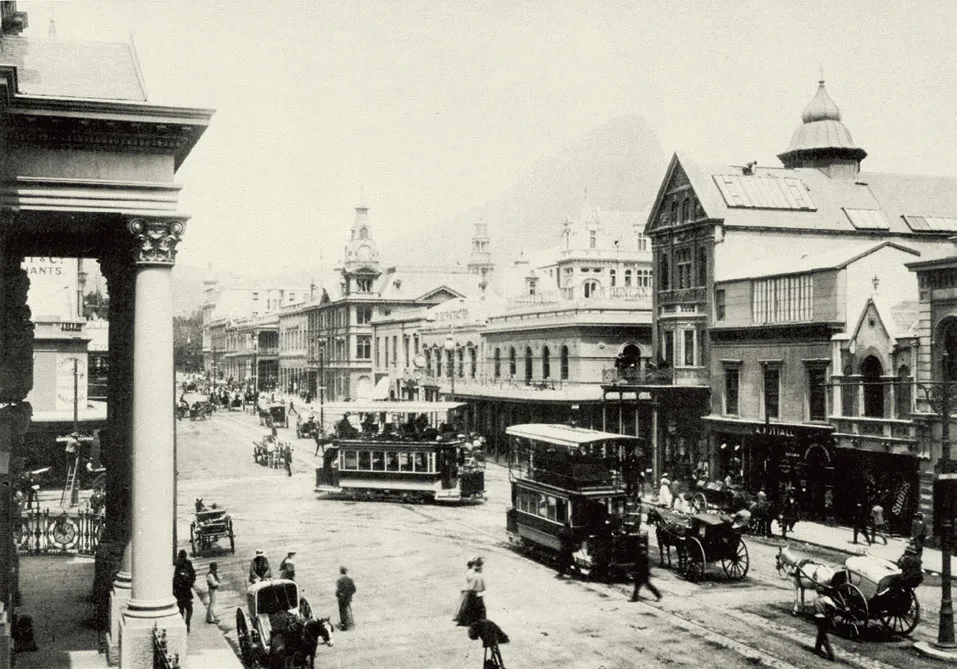
As the crow flies, the Cape of Good Hope sits some 8,500 kilometres from Istanbul. A hundred and sixty-five years ago, its Muslims were subjects of the British Empire, and they were losing their religion and culture by inches. So they pinned their hopes on the Ottomans — wrote a letter to Sultan Abdülaziz, declared their loyalty, and asked for help. Istanbul sent them not only religious books, but a living book: a scholar named Abu Bakr Effendi. The light he kindled still illuminates the African continent today.
A Letter to the Caliph
South Africa’s Muslims first reached out to Istanbul in 1853, asking for an Ottoman consulate in their country. In 1857, thirteen thousand Muslims of Cape Town wrote to Istanbul both to make the Caliph aware of their existence and to request that Roubaix, the British chief magistrate of Cape Town who had helped them, be appointed Ottoman consul in their city. After long enquiry and correspondence, the request bore fruit on 18 February 1861, when Roubaix was appointed honorary consul to the Cape.
In the early 1860s, a South African on pilgrimage encountered an Islam quite different from the one practised at home. The collision — between Cape Muslims newly introduced to “the religion of the book” and a local clergy that had long taught a faith full of innovation and folk practice — led to disputes that turned from words to blows. For a lasting solution, the Muslims of Cape Town, on the advice and through the mediation of the British colonial administration, asked Istanbul in 1862 for religious books.
A Living Book Sent to Africa
When the request reached Istanbul, the Ottoman government convened by order of the Sultan. But there was worry that books alone might spark fresh disputes — and might be exploited politically by the British. So it was decided to send, along with the books, “a capable scholar to teach the religious rulings and creed to the Muslims of the Cape, and to resolve the differences and disputes among them, with a suitable stipend.” In short, a living book would be sent too.
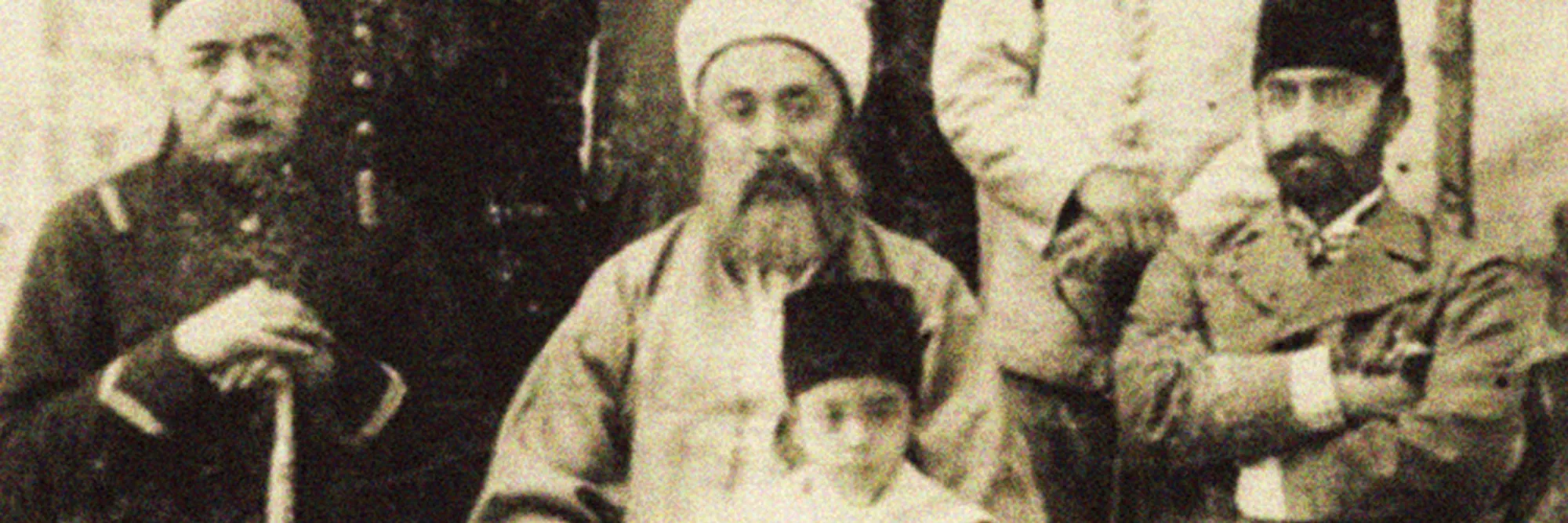
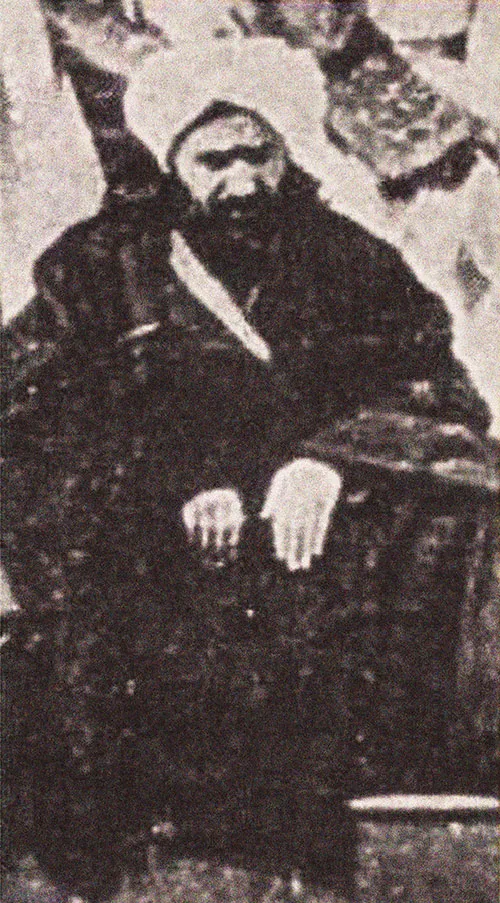
The task of finding that living book fell to Ahmed Cevdet Pasha, who found Abu Bakr Effendi — a scholar from the ulema of Baghdad (Şehrizor), then teaching in Erzurum and at that moment in Istanbul on other business. Raised in the Shafi’i tradition, a Sayyid, and excellent in Arabic and the religious sciences, he was the man for the job.
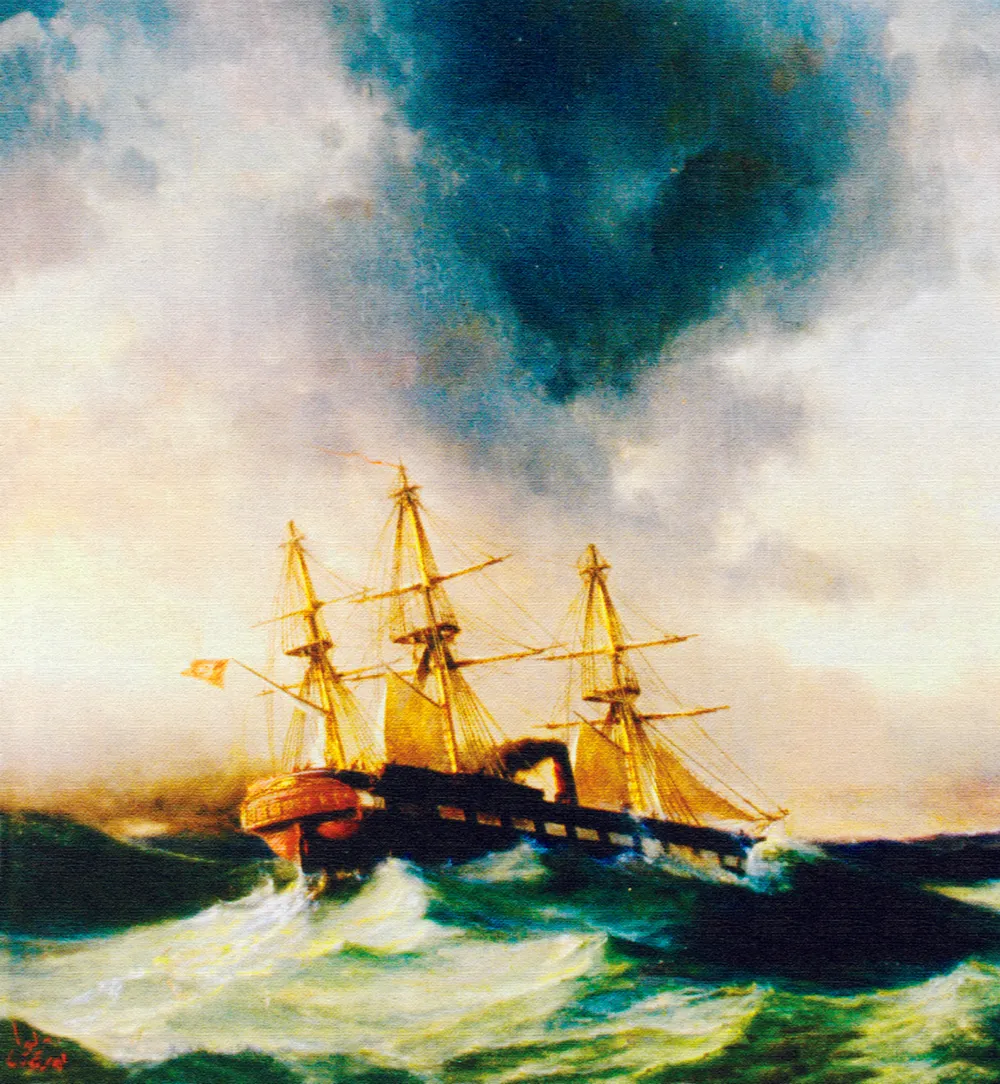
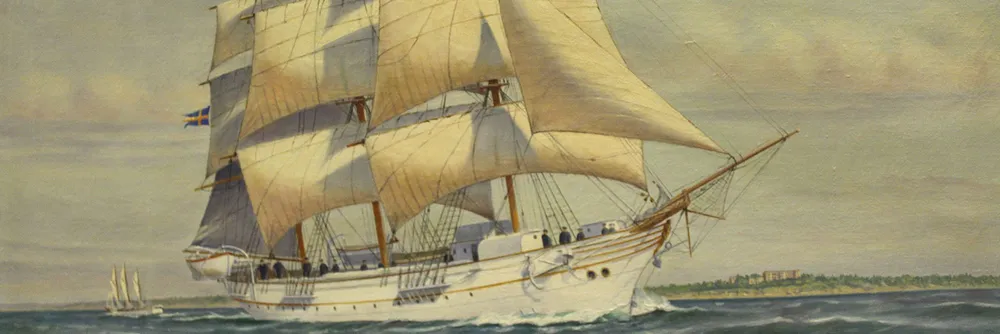
Accepting the offer, Abu Bakr Effendi left Istanbul on 1 October 1862 with his thirteen-year-old nephew Ömer Lütfi, travelling via Paris to London and Liverpool. To avoid trouble on the road, Ömer Lütfi was listed on the passport as Abu Bakr Effendi’s son. After a forty-two-day voyage on a British cargo ship, he reached Cape Town on 13 January 1863. The British had kept his arrival quiet to avoid a grand welcome — but the news got out anyway, and the Cape Muslims escorted him to his lodgings in a great ceremony. The next day he presented his credentials to the Cape Governor, Philip Wodehouse, who granted him permission to teach the Muslims of Cape Town as he saw fit.
Ottoman-Style Lessons in Africa
Abu Bakr Effendi began by fighting the ignorance and bigotry that had divided the Muslims. He was patient about the disputes — but where education was concerned he waited for nothing: on the fifteenth day after his arrival, he opened a school in the house where he lodged.
He and his nephew taught some three hundred students the alphabet, the Qur’an, creed, and jurisprudence, along with a group of six learning to recite by heart. Because the existing mosques of Cape Town were divided among rival groups, Abu Bakr Effendi’s second project was to build a new mosque, inviting all the factions there in the name of the Caliph to try to restore unity. In doing so he took on a serious fight against the false sheikhs and scholars who had split the Muslims into twenty factions, and the self-appointed imams who treated the poor as a “larder” for their own profit.
A subscriber to the Istanbul newspaper Vakit, he kept the Cape Muslims informed about the Ottoman state and its people. Those very issues of Vakit are kept today in the private library of the Muslim Judicial Council in Cape Town — shown to visiting Turkish delegations as “one of the most important proofs of cultural ties with Turkey.”
The Cape Muslims were so pleased with him that, in late 1863, they sent a three-man delegation to Istanbul bearing a letter of thanks to Sultan Abdülaziz. The Sultan sent 400 Ottoman lira toward the Port Elizabeth mosque then under construction, and in 1876, when natural disaster struck the Cape, he acted at once. A letter in The Times of 3 July 1876, signed by “a British MP,” noted that “Sultan Abdülaziz has sent a large amount of money and goods to the South Africans, who would beg help even from a passing bird."
"My Duty Is to Represent the Caliphate”
Abu Bakr Effendi’s growing influence unsettled both Consul Roubaix and the local imams who were losing theirs. He was physically attacked more than once; his school was even raided. His enemies turned a visiting ship’s captain against him, and arranged for a beggar to abuse and insult him in public to discredit him. He bore it all, saying “my only duty is to teach Islam and to represent the office of the Caliphate.” By teaching Muslims on weekends as well, his spiritual standing only grew; his home and school became a centre and a refuge for the Muslims of the Cape and beyond. The Ottoman state backed him, dismissing Consul Roubaix and giving Abu Bakr Effendi two further diplomatic roles.
His work was not confined to Cape Town. Through his students, it reached Port Elizabeth, Johannesburg, and Port Natal, as well as Mozambique, Zanzibar, Madagascar, and Mauritius. He trained the first teachers in Natal Province able to lead a funeral prayer.
An “Ottoman Girls’ School” in Cape Town
Abu Bakr Effendi was forty when he came to South Africa. He had married in Erzurum before leaving, and had a son, Mustafa, and a daughter, Fehime, left with relatives — his first wife had likely died. About two months after reaching Cape Town he married a local woman, Rukea Maker, and had a son, Ahmed Ataullah; but, not yet knowing English or Afrikaans well, he divorced her two years later.
On 30 December 1866 he married Tahora Saban, whose father was a wealthy and famous Dutch-descended Muslim shipwright, and whose mother, Elizabeth Cook, was a niece of the famous navigator James Cook. Tahora Saban opened, under the name “Ottoman Girls’ School,” one of the first schools for girls in the Islamic world, and after her husband’s death devoted her whole life to her children and that school, continuing his work. From this marriage came four sons: Hisham Nimetullah, Muhammed Alaeddin, Ömer Celaleddin, and Hüseyin Fevzi.
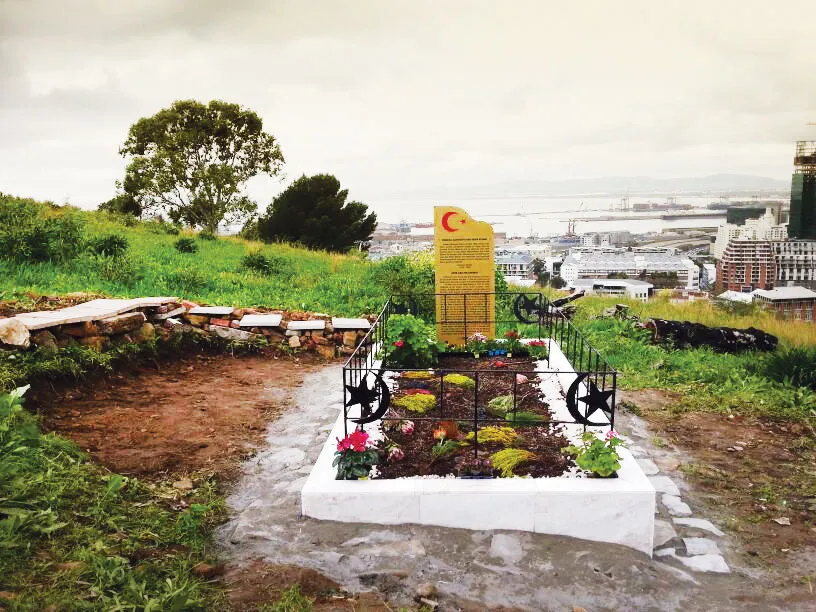
Abu Bakr Effendi died in Cape Town on 29 June 1880, aged 57, and is buried in Tana Baru, the city’s oldest cemetery.
A Family’s Lifelong Service
His sons carried the work forward. Ahmed Ataullah Effendi, after a strong religious education, founded an Ottoman school in Kimberley and served as its director and teacher, came to Istanbul and grew close to Sultan Abdülhamid II. Blocked by the British from becoming a Cape MP, he later served as a consul in Singapore, where he was killed in a road “accident” by the British on 11 November 1903, aged 40.
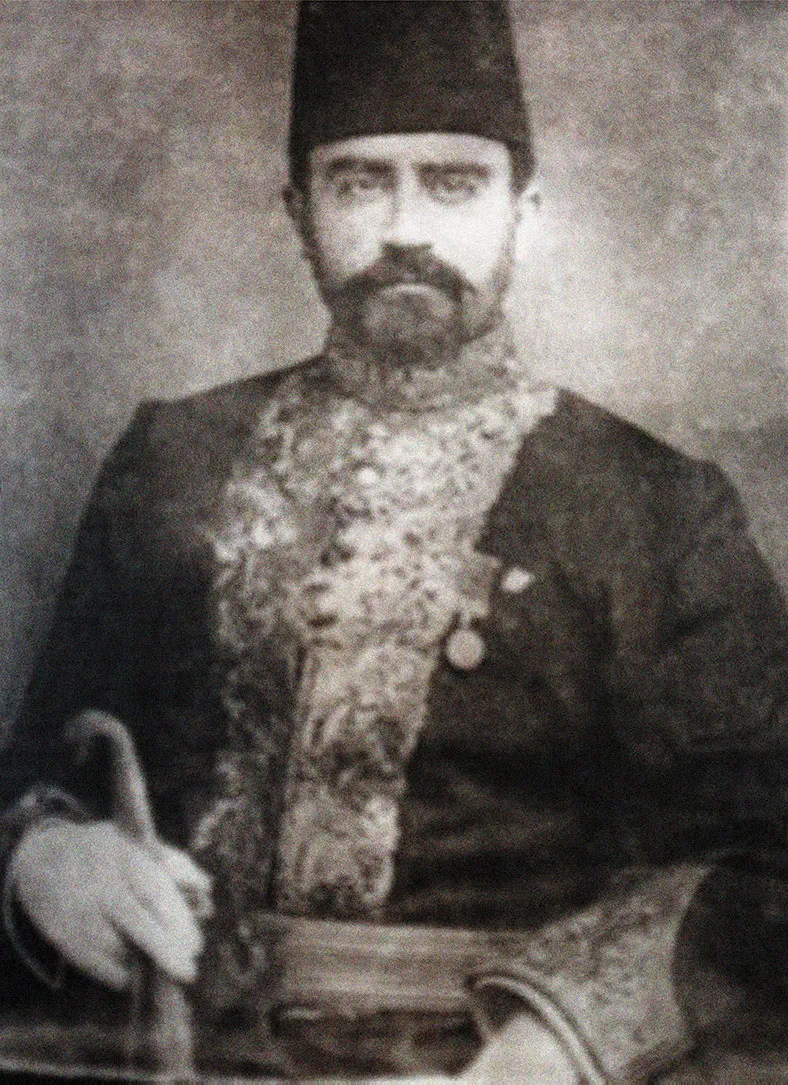
The most important scholarly heir, Hisham Nimetullah Effendi, studied in the Ottoman madrasas and at al-Azhar, wrote books in Afrikaans like his father, founded and led the Cape Islamic Society and the Society of South African Muslims, ran the Hejaz Railway campaign city by city across South Africa, and opened Islamic schools in Simon’s Town, Cape Town, Port Elizabeth, and Johannesburg, continuing his educational work until his death in 1947.
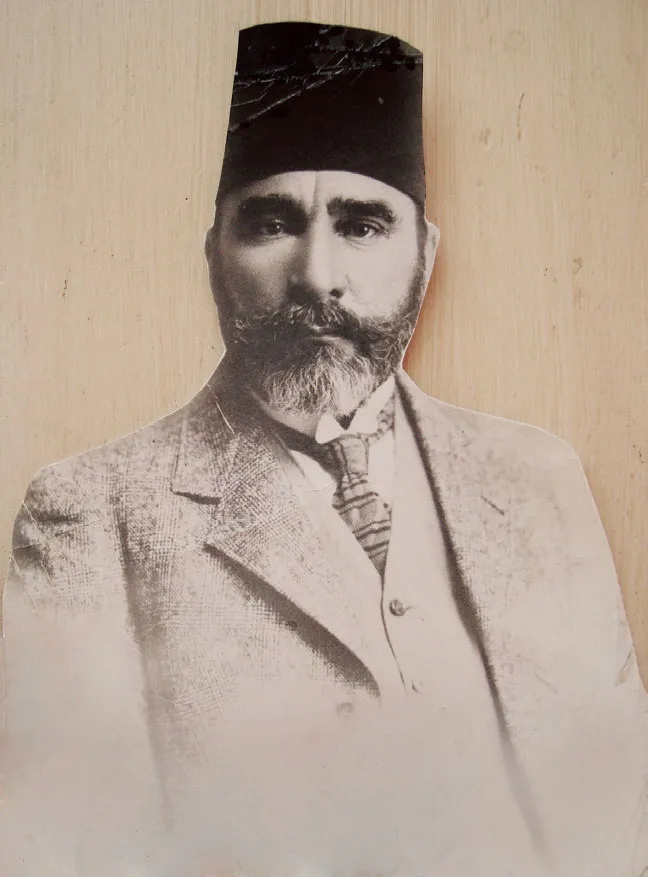
The light kindled by Abu Bakr Effendi’s children and students has illuminated South Africa for over 150 years.
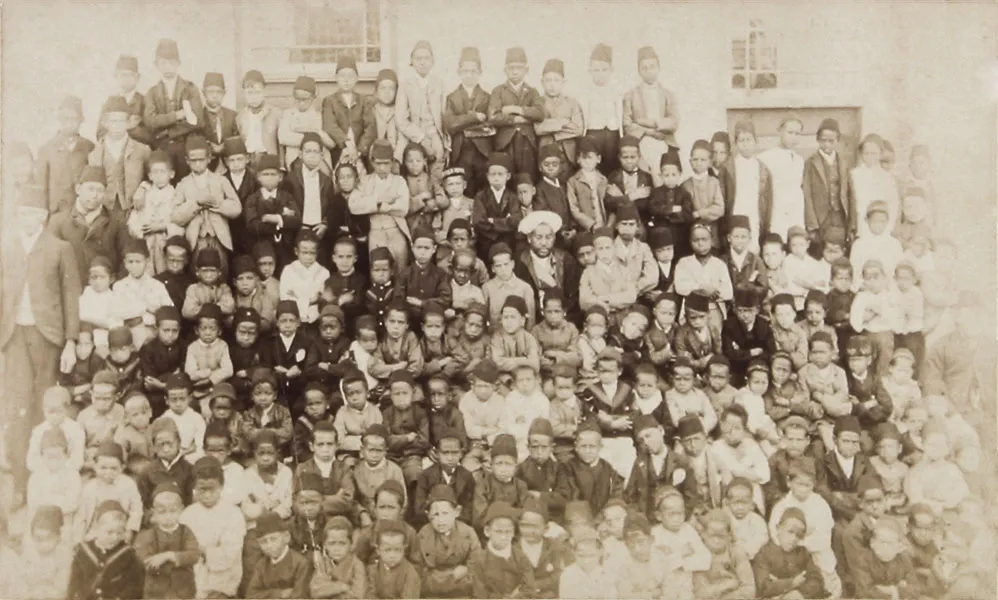
That Ottoman consulates opened in Cape Town, Johannesburg, and Durban; that Turkish goods appeared at the Kimberley fair of 1892 and the Cape Town fair of 1904; that thousands of dollars flowed from dozens of South African towns to the Hejaz Railway, the Ottoman navy fund, and the Red Crescent during the Tripolitanian, Balkan, and Turkish Wars of Independence; that young men sent their photographs and identity papers to military authorities in Istanbul and Ankara hoping to join the cause — in all of this, the foundations Abu Bakr Effendi laid played a decisive part. To this day there are South African families with the Turkish flag still hanging in their homes, hearts still full of love for Turkey.
Sources
- Ahmet Uçar, Güney Afrika’da Osmanlılar (Ottomans in South Africa), Istanbul, 2012.
Adapted from “Güney Afrika’nın İlk ‘Efendi’si” by Dr. Ahmet Uçar, originally published in Yedikıta Dergisi.