
Argentina · south america
El Turco
A century of Ottoman emigration to Latin America — and the single word that outlived the empire that stamped their passports.
In nineteenth-century Buenos Aires, São Paulo, Mexico City, and Santiago, the word turco did not really mean “Turkish.” It meant anyone who had stepped off a ship holding an Ottoman passport — and for three generations, that passport covered a great many people who were not Turkish at all. Armenians from Anatolia. Christians from Mount Lebanon. Sunni Muslims from Damascus. Orthodox families from Homs. Palestinians from Bethlehem and Beit Jala. Jews from Istanbul. Kurdish and Arab peddlers from Baghdad. To the Argentine customs officer at Retiro station, they were all the same thing. They were turcos.
The empire that had stamped their papers dissolved in 1923. The word never did.
The Age of Great Leavings
The century between 1830 and 1930 was, globally, the age of great leavings. Roughly forty million people crossed from the Old World to the New. Europe emptied towns and filled tenements. The end of slavery in the Americas created a sudden hunger for cheap labour, and industrial shipping made the journey, for the first time in history, something a farm labourer could survive.
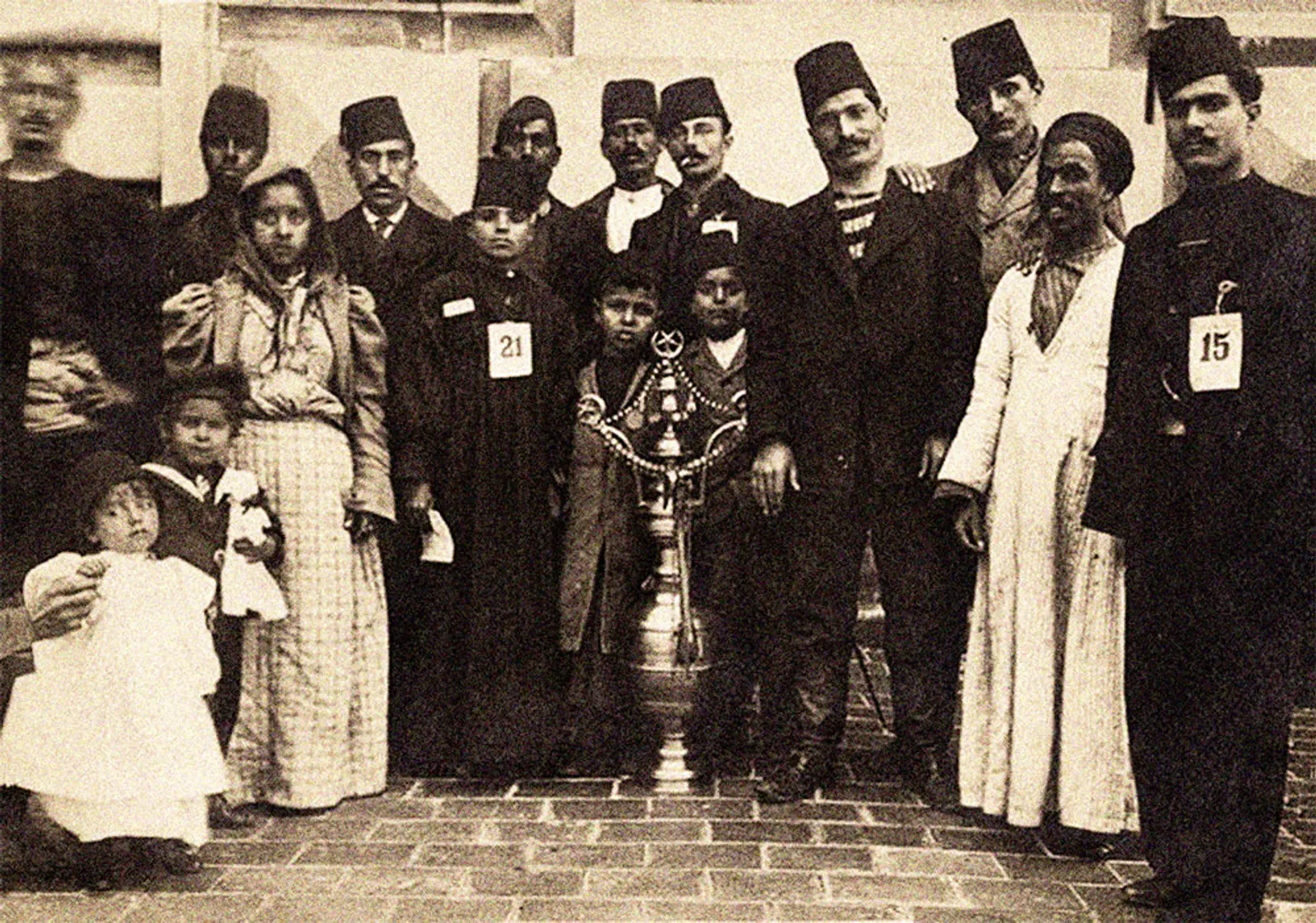
Most histories of this migration are written about Europeans — Italians to Argentina, Irish to Boston, Germans to southern Brazil. But a smaller stream flowed out of the eastern Mediterranean and into the same ports. Between 1860 and 1914, an estimated 1.2 million Ottoman subjects left the empire. By 1914, perhaps six hundred thousand of them had come from Syria and the mountainous province of Mount Lebanon alone. Their destinations were the Americas: the United States, yes, but, astonishingly often, places much farther south.
Why South America?
The answer, unromantically, is agents. European shipping companies wanted passengers who would fill the return legs of their cotton, coffee, and rubber ships. They advertised. They placed exaggerated notices in Beirut and Aleppo newspapers — wages in Buenos Aires, they claimed, were triple those in New York — and they recruited earlier emigrants to write glowing letters home. A generation of Armenians had already grown rich in Brazil and Argentina; their success stories travelled back across the Mediterranean in the form of photographs, remittance envelopes, and, inevitably, exaggeration.
The Ottoman state itself was ambivalent. Young men crossing the Atlantic were a loss of labour and a loss of potential conscripts. Istanbul tried — haltingly, in Arabic, Turkish, and French — to post warnings in ports and in steamship offices. It rarely worked. The paperwork that came home was less persuasive than the remittance money.
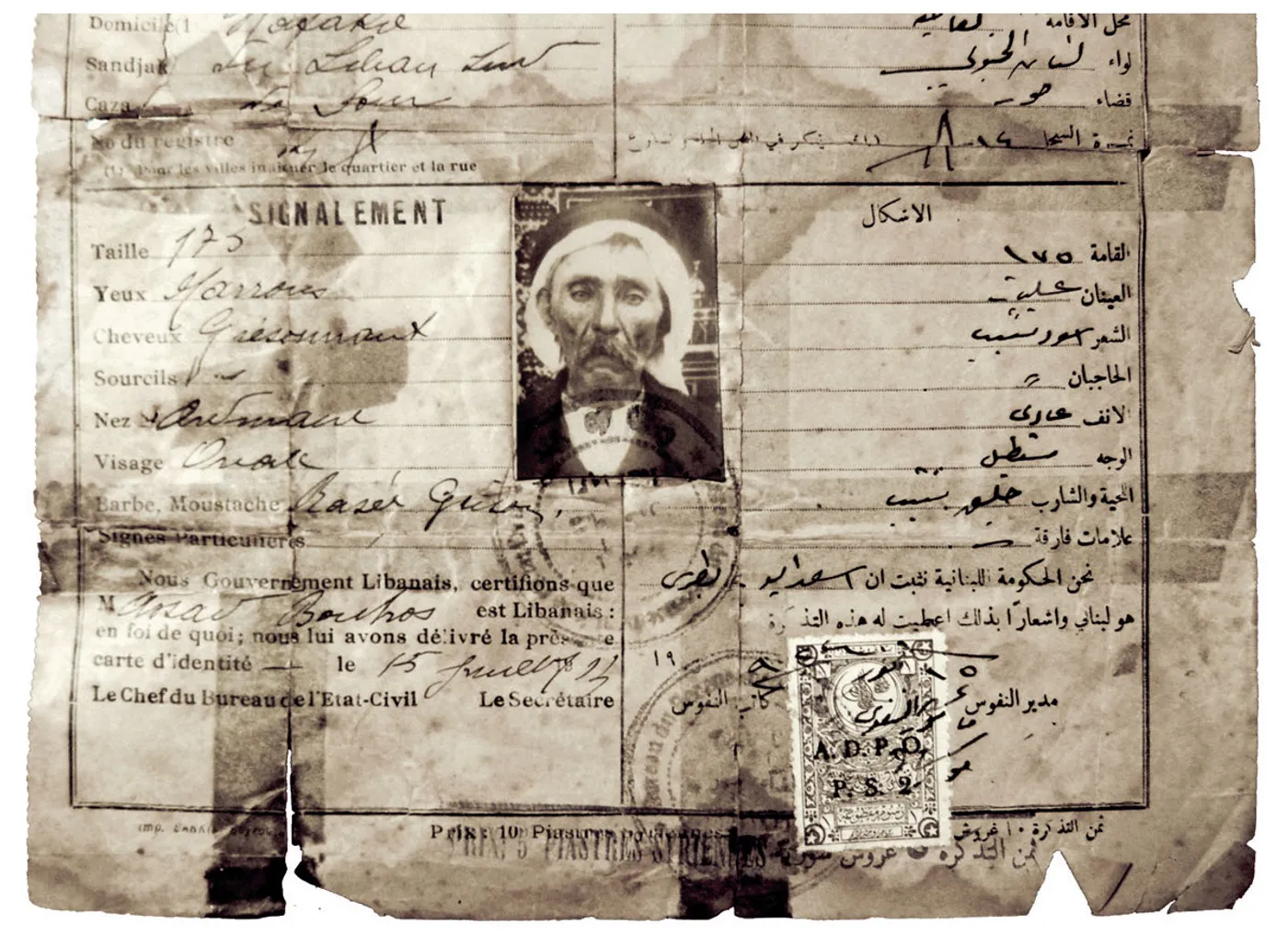
The Paperwork That Gave Them a Name
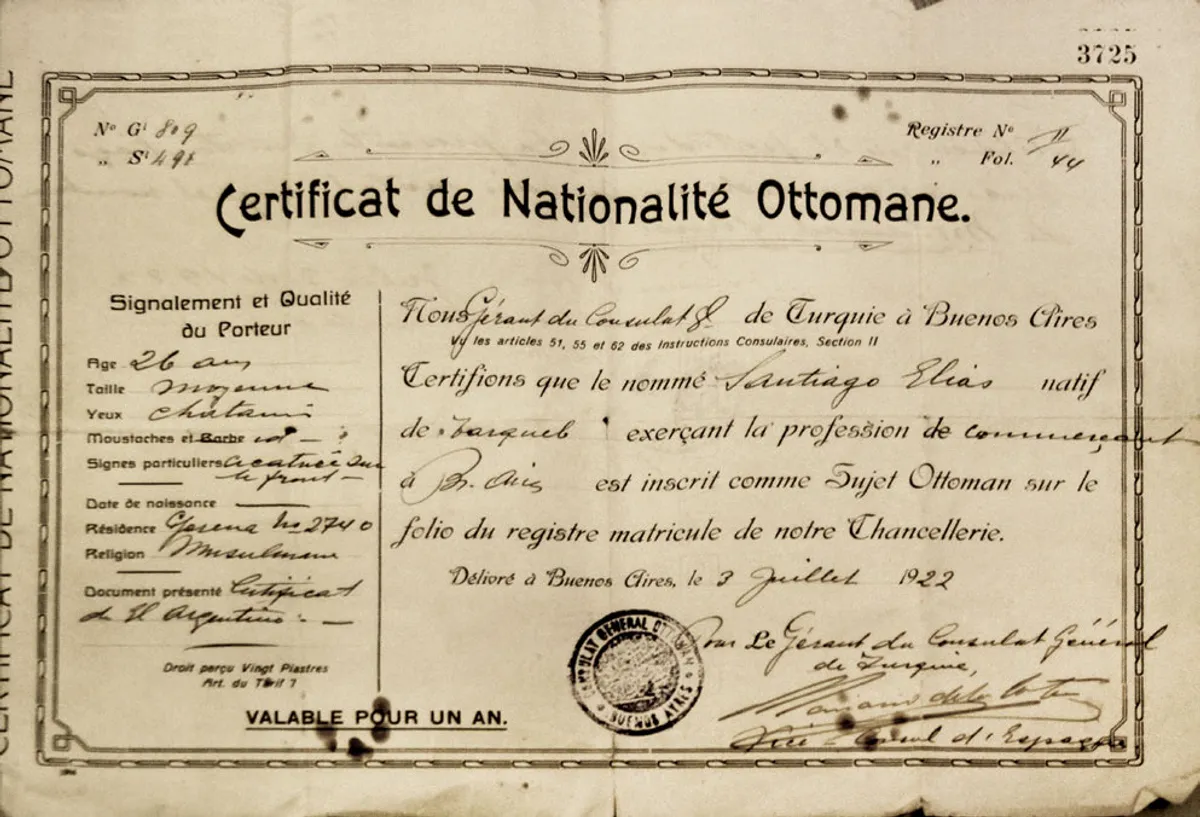
A Certificat de Nationalité Ottomane was the single most common document in an emigrant’s bag. Issued in French for the convenience of European consular staff, it certified only that the bearer was, legally, a subject of the Sultan. It said nothing about language, confession, or ethnicity. That was the point: the late Ottoman Empire was a multi-national empire, and its travelling documents were deliberately vague.
Latin American officials receiving these papers were less patient. They filed everyone under one heading — turco — and moved on.
Arrivals
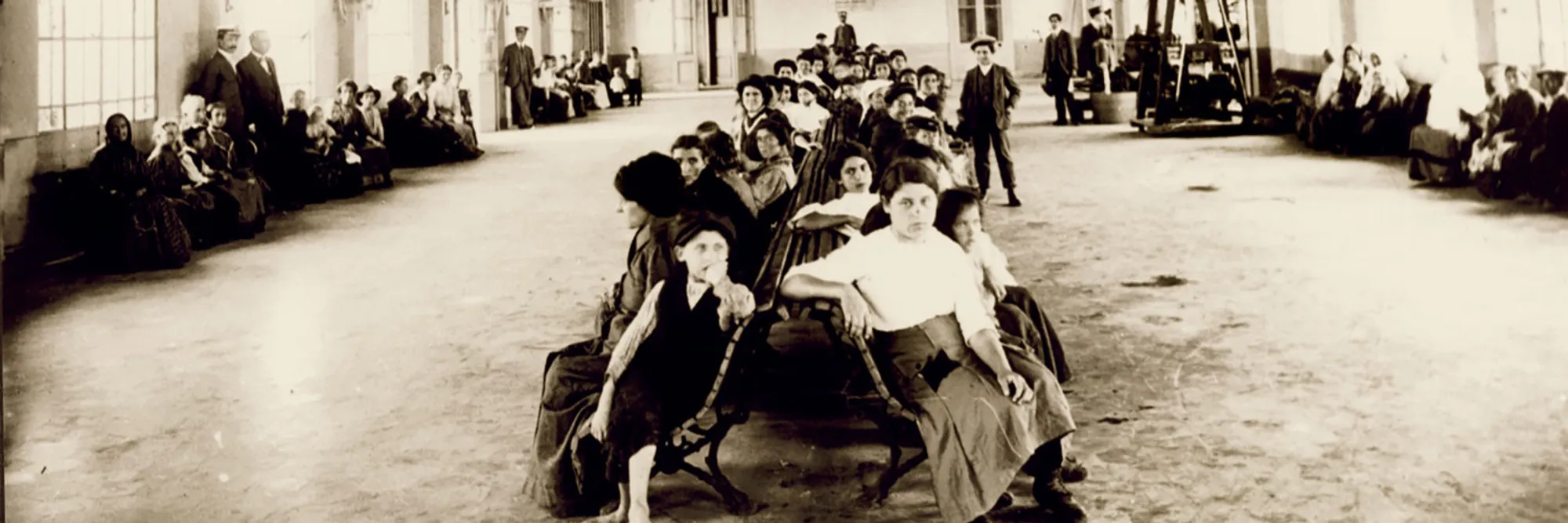
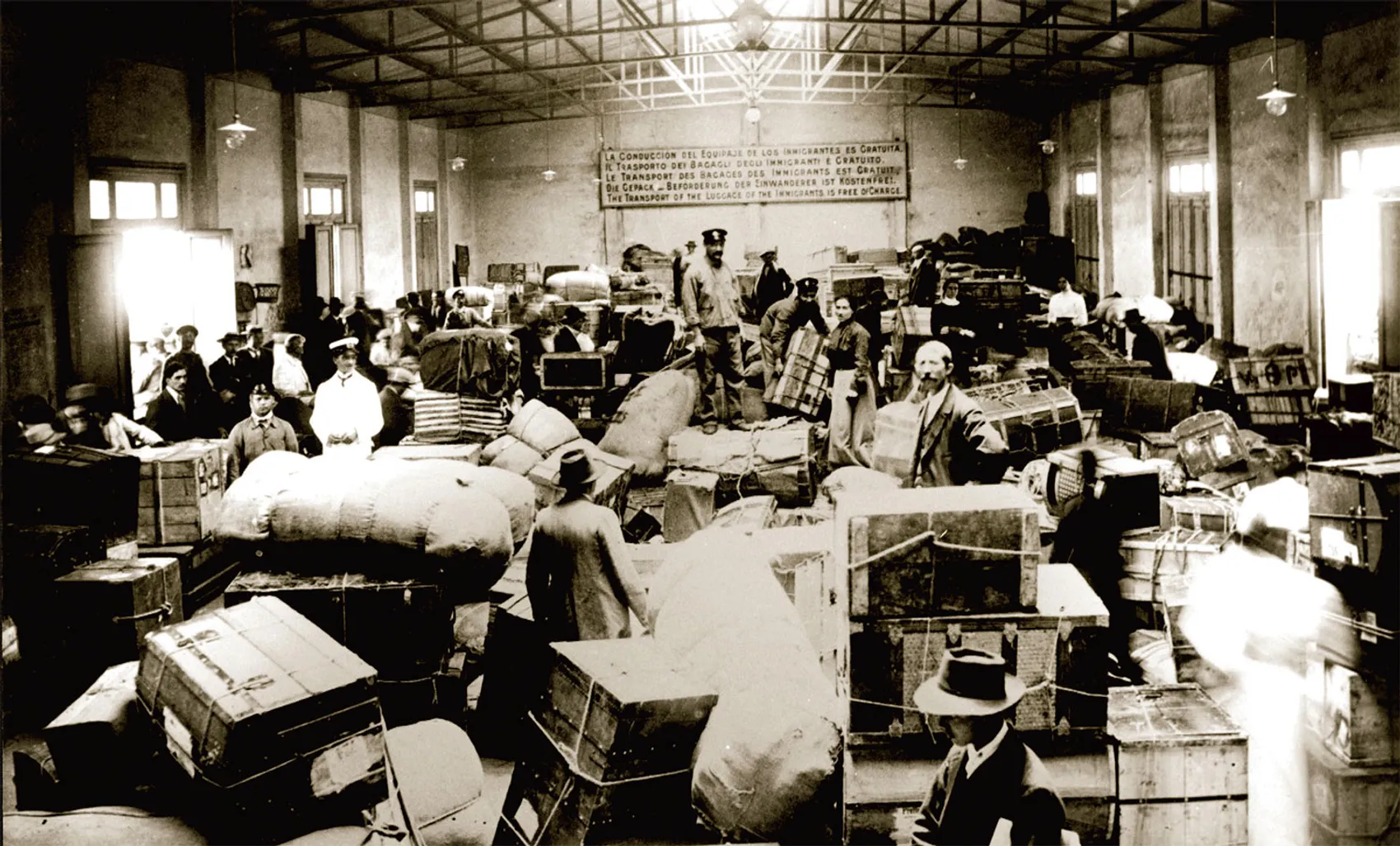
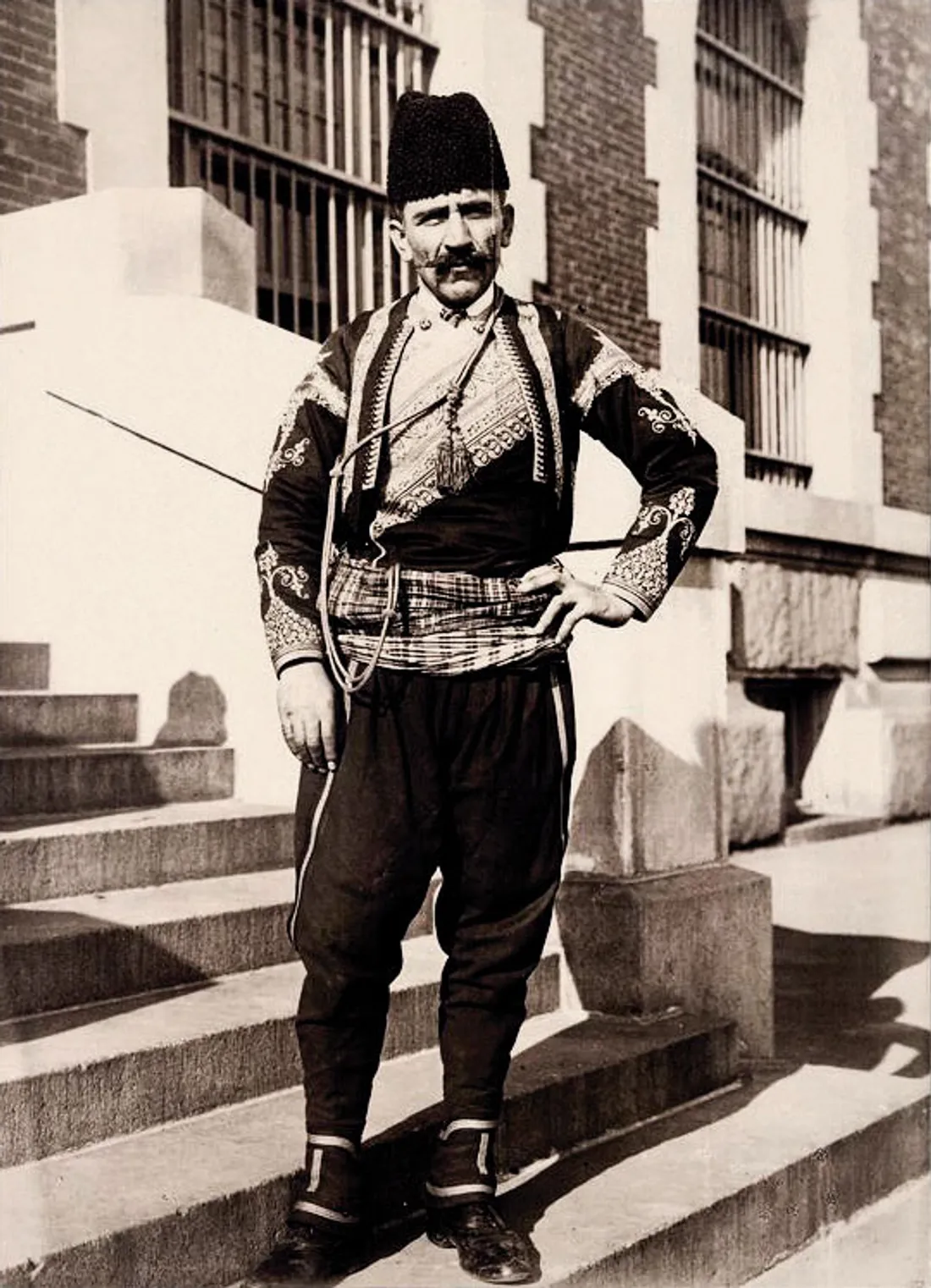
The first generation came ashore in Buenos Aires, Rio de Janeiro, Santos, Veracruz, and Valparaíso. In Buenos Aires, the Dirección General de Inmigración — the great brick hall near the port seen on the cover of this story — channeled new arrivals through medical inspections and a night or two of dormitory bunks before releasing them into the city.
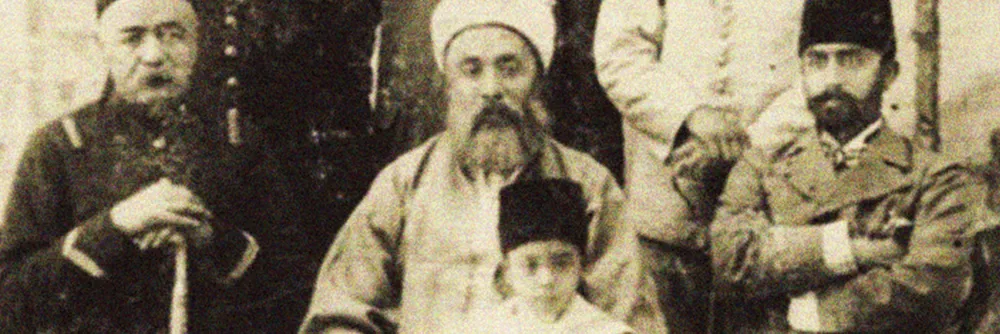
From the reception hall, word travelled to an Istanbul-born Jewish coffeehouse keeper whose small establishment had, by unspoken convention, become the clearing house for Ottoman arrivals. Christians, Muslims, Jews, and Druze sat at the same tables, speaking Arabic and broken Spanish, trading news of which farm needed a peddler and which rural province was open to strangers. Nothing about it looked diplomatic. Functionally, it was the only Ottoman consulate that mattered.
From Suitcase to Shop
The canonical turco career began on foot. A new arrival bought goods on credit from an established countryman — fabric, ribbons, needles, small mirrors — loaded them onto a mule or into a suitcase, and walked into the countryside. He would be gone for weeks. He returned, paid off the credit, and bought more.
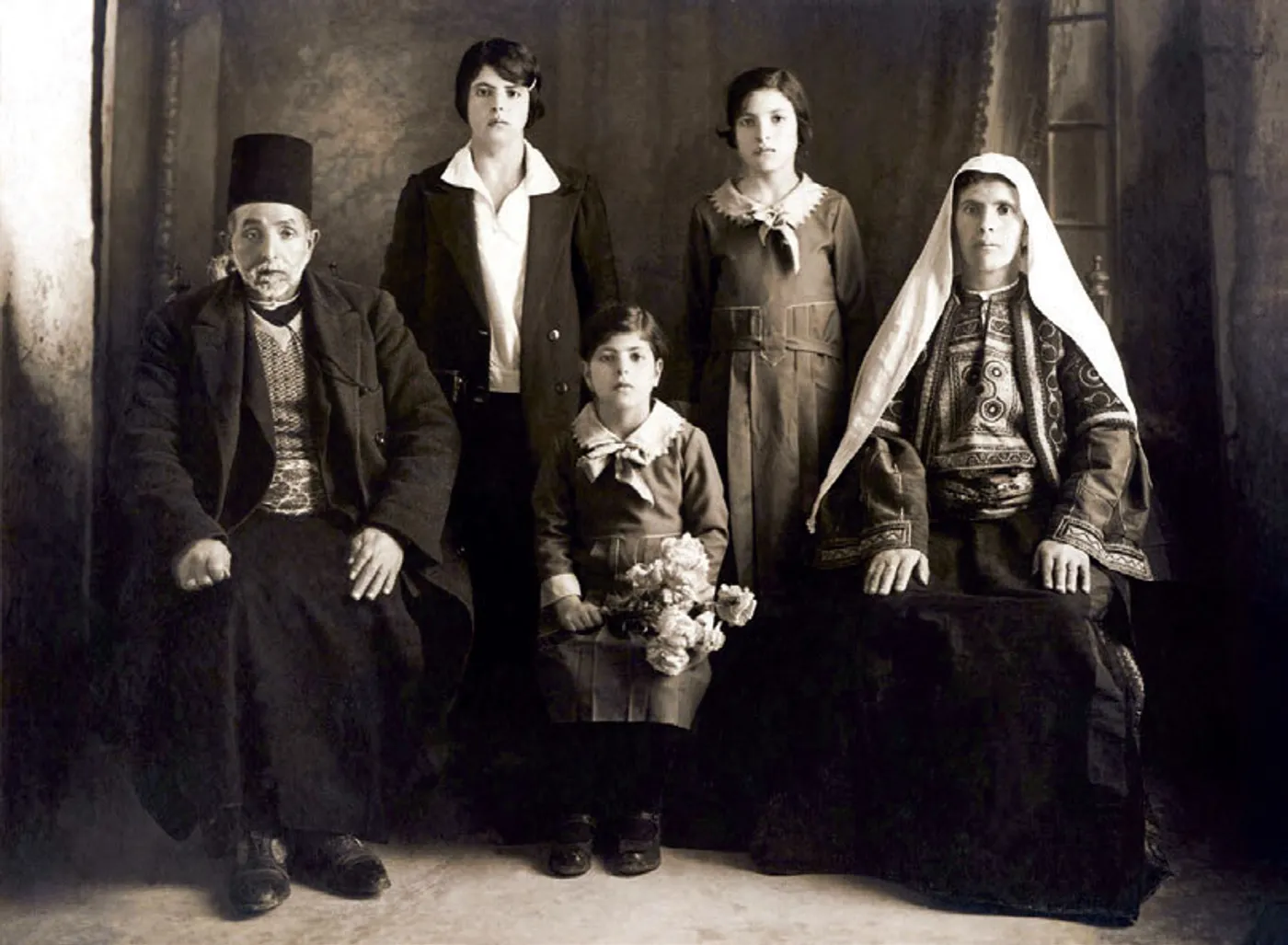
In Brazil, the pattern ran through coffee country — Rio de Janeiro state, Santos, Porto Alegre — where the turcos sold to plantations and slowly rented pitches in the weekly markets. By 1900, immigrant surnames were climbing the Brazilian tax rolls.
In Argentina, formally the law made no distinction between immigrants. Informally, the turcos were allowed to farm but not to hold civil-service jobs. Their answer was commerce. The peddler’s mule became a cart. The cart became a shop. The shop became, in many provincial towns, the shop — a general store named, wryly or defiantly, El Turco.

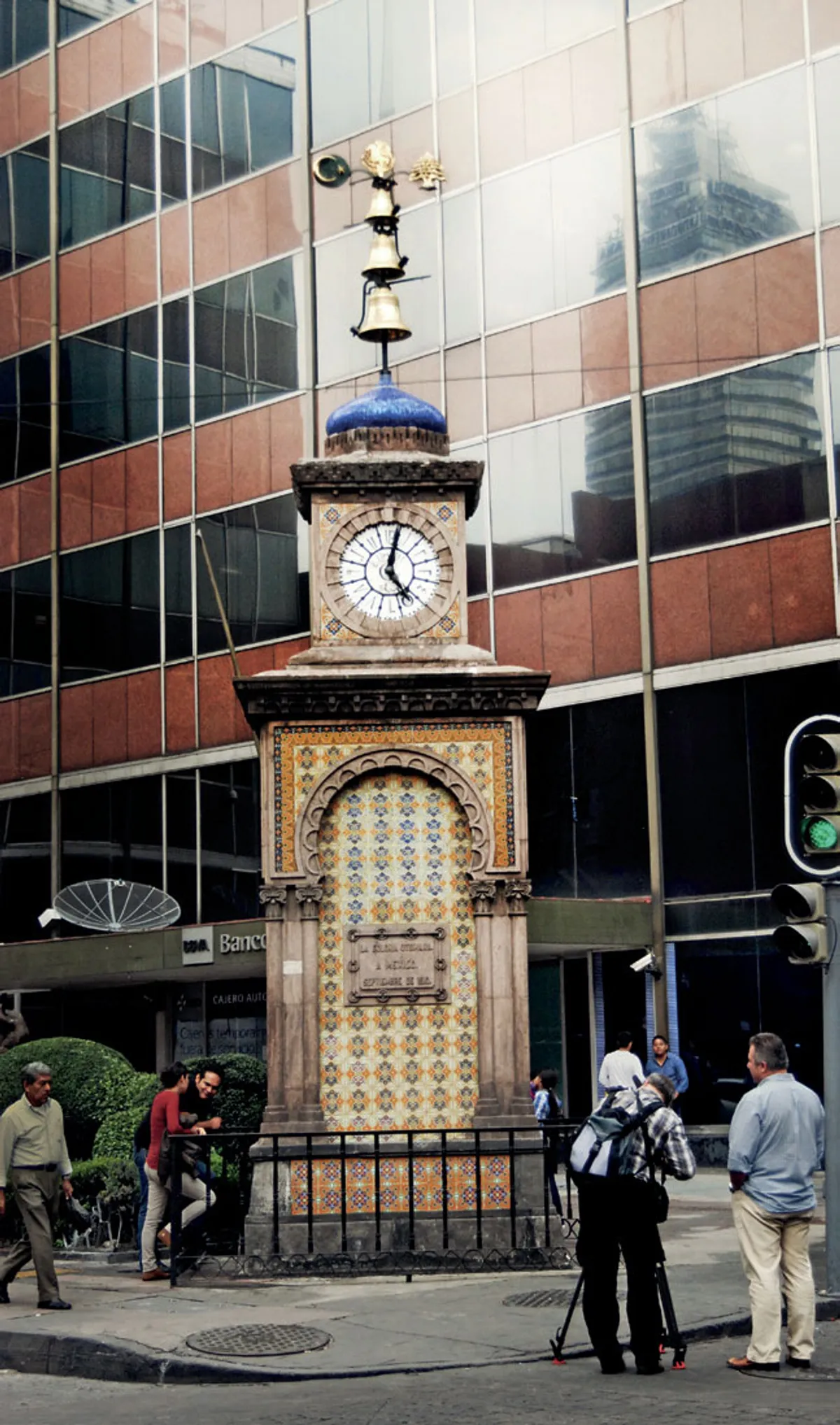
In Mexico, by 1910 there were roughly 100,000 immigrants of Lebanese, Syrian, Palestinian, and Iraqi origin. When the country celebrated the centenary of its independence that year, the Ottoman community raised funds for an ornate clock tower — the Reloj Turco-Otomano — and presented it to Mexico City. The ceremony was led by Antonio Letayf, president of the Ottoman Centenary Committee, together with Mexico City’s governor Guillermo de Landa on 22 September 1910.
The Unwanted Neighbours
Even as they prospered, the turcos remained, in the polite phrase of the Argentine press, extranjeros — foreigners — and, in the less polite phrase, perniciosos, a word that means something like “damaging.” The nineteenth-century South American mind had a crude racial taxonomy: Europeans were white, Africans and indigenous people were not, and the turcos fell somewhere uncomfortable in between. Shopkeepers grew wealthy; their social doors stayed shut.
The old Jewish stereotype of Europe — tight-fisted, money-obsessed, clannish — transferred itself, almost unchanged, onto the Latin American turco. It is, remarkably, still visible in newspaper cartoons a hundred years later.
Mixed marriages were common. The second generation spoke Spanish or Portuguese at home and Arabic only with grandparents. The third generation rarely spoke Arabic at all. The names changed, the pronunciation softened, the food survived in family recipes — kibbeh became quibe in Brazil, empanadas árabes in Argentina — and the word turco hung on long after the people it named had dispersed into the general population.
The Descendants
The turcos have supplied Latin America with more than pastries. Carlos Slim Helú, for years the world’s richest man, is the son of Lebanese immigrants to Mexico. Carlos Menem, president of Argentina from 1989 to 1999, was born to Syrian Muslim parents in La Rioja. Colombia’s pop star Shakira — full name Shakira Isabel Mebarak Ripoll — is the granddaughter of Lebanese Christians. Salma Hayek’s father was Lebanese. The Venezuelan political family of the Saids, the Brazilian industrialists of the Safra and Chaia families, the Ecuadorian presidents with the surname Bucaram — the list is long, and it is still growing.
The old turco route ran south. But some passengers stepped off the northern ships too.
A Chilean Archivist Finds Her Grandfather
In 2014, a researcher at the Chilean National Archive named Karin Pereira Contardo agreed to help a Turkish television documentary team trace turco arrivals from the country’s immigration records. What she discovered, halfway through a working week, was her own family tree.
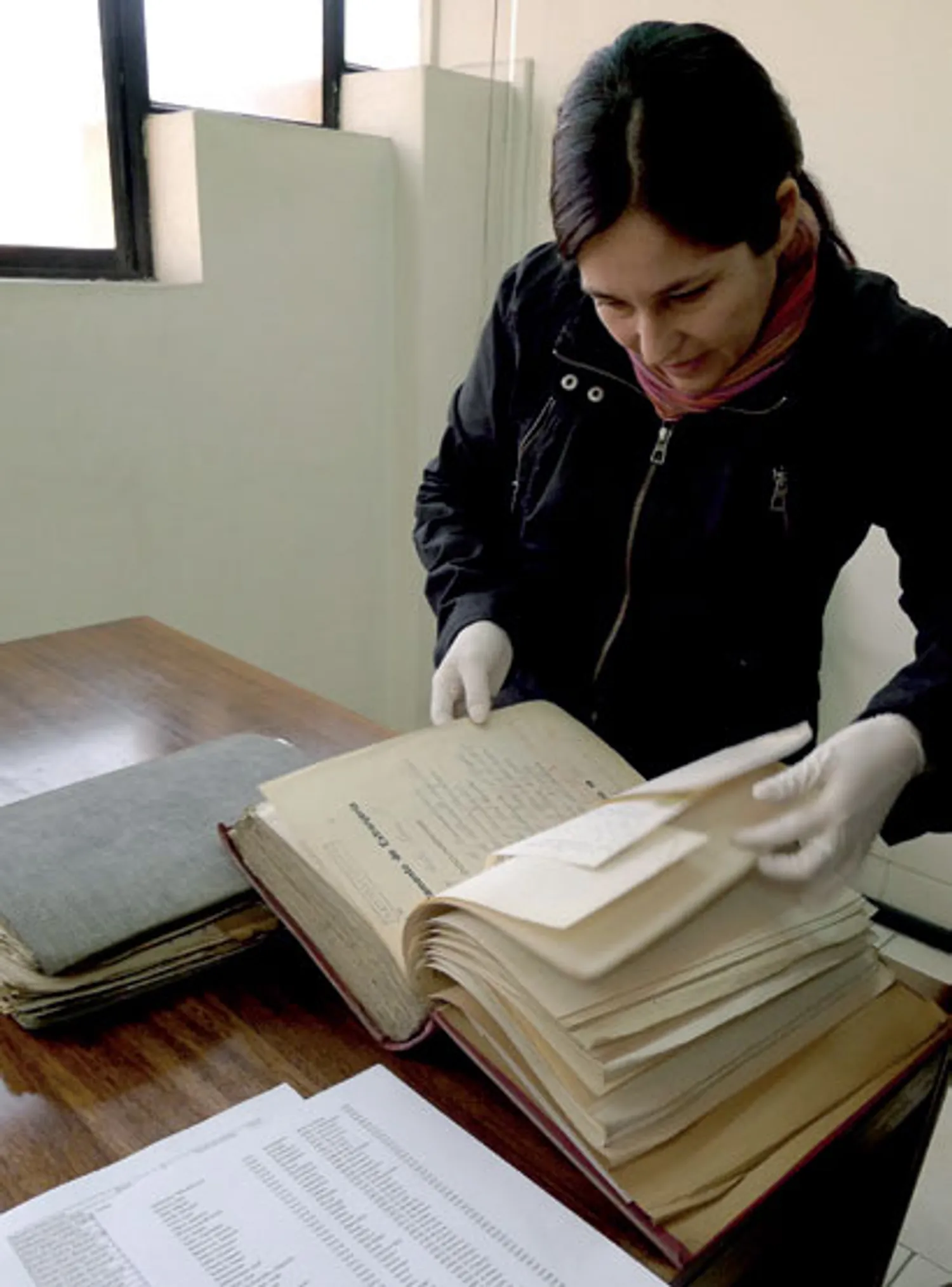
“The Chilean National Archive holds documents on nearly every wave of immigration to reach this country. On El Turco arrivals in particular, the material is extensive — enough for serious demographic work.
From the papers, and from my own academic reading, I can say that ‘El Turco’ was never a single nationality. It was a name we Chileans used for people who arrived holding Turkish–Ottoman passports, whether they came from Syria, Lebanon, or farther afield. My own grandparents, for instance, were Syrian.
I came to this research as an archivist, not as a granddaughter. But while I was looking for other families’ photographs, I found ones of my own. Documents of their departure from Syria, of their new life in Chile. They let me rebuild a family tree with missing rungs. Now amateur researchers come to the archive for the same reason I did — they need an official Family Document to study abroad, and they discover, on the way, that their past reaches into another century and another continent.”
— Karin Pereira Contardo, for the 2014 documentary El Turco (TRT)
The Ship That Still Sails
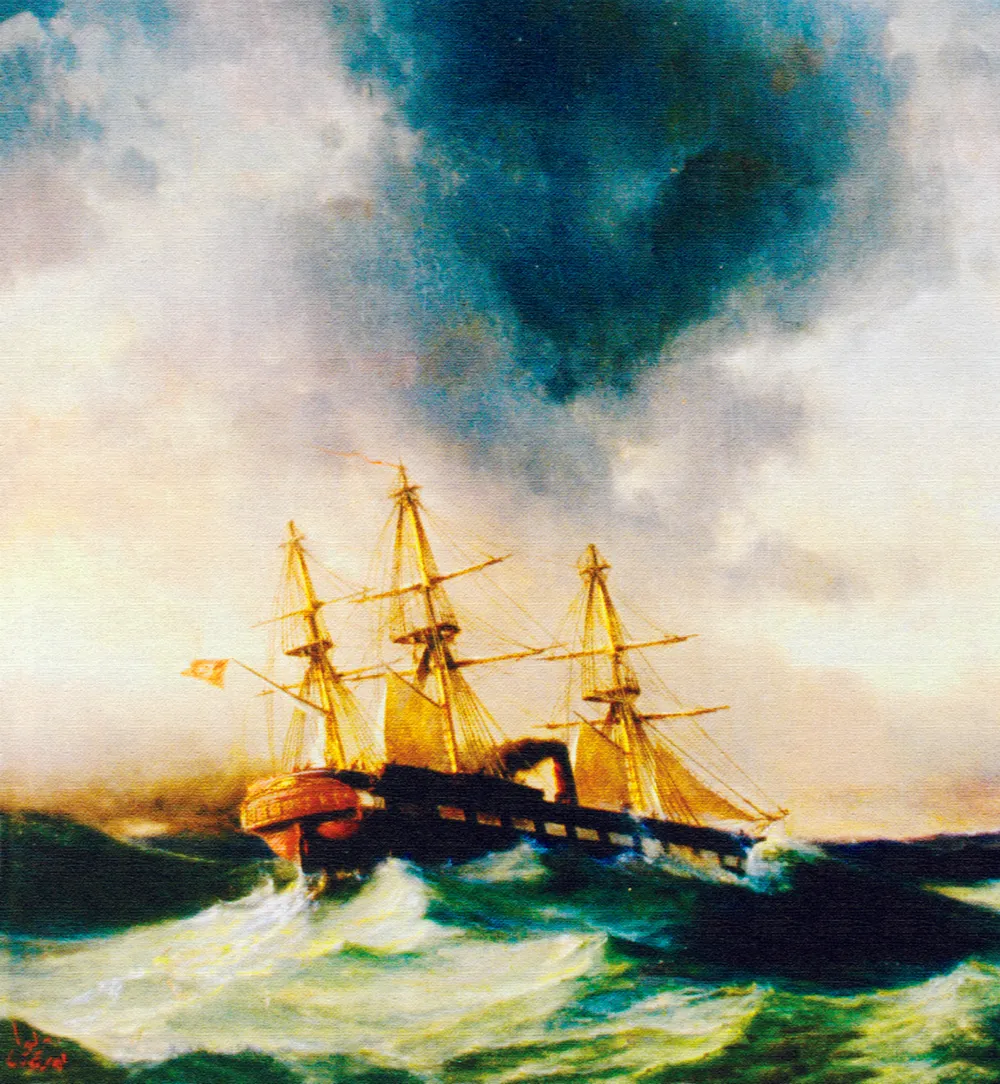
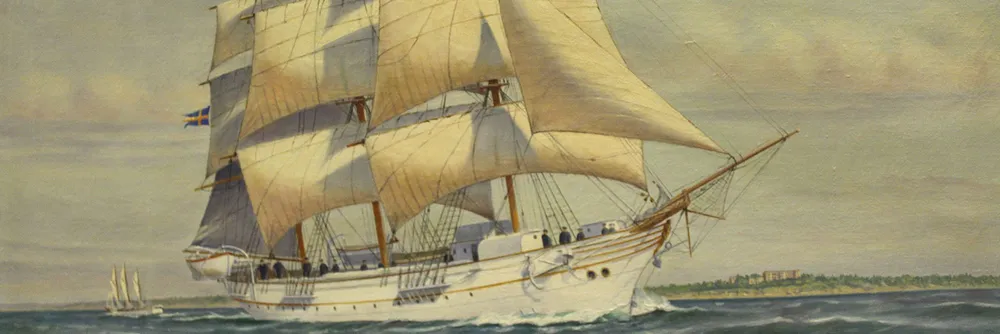
A ship left the port of Byblos, north of Beirut, sometime in the 1880s. On board were a handful of people who did not know where they were going and a handful more who knew exactly, having been told — by a recruitment agent, by a letter from a brother-in-law, by an advertisement in a Beirut paper — that a fortune was waiting for them on the far side of the Atlantic.
The ship sailed. The century they were leaving ended. The empire that had issued their passports ended. The word their new neighbours gave them did not.
Walk through the old commercial streets of Santiago, Buenos Aires, São Paulo, or Mexico City today and you will still see El Turco on half-faded signs over shops whose owners, three or four generations removed from a village in Mount Lebanon, could not read the Arabic of their great-grandparents even if it were written in front of them.
The sign, all the same, stays up.
Sources
- Frank Ahmed, Turks in America: The Ottoman Turk’s Immigrant Experience, Columbia International Press, Greenwich, Connecticut, 1986.
- Bağdatlı Abdurrahman Efendi, The First Muslims in Brazil: A Brazilian Travelogue, trans. Antepli Mehmet Şerif, ed. N. Ahmet Özalp, Istanbul, 2013.
- Hamdi Genç and İ. Murat Bozkurt, “Labour Migration from the Ottoman Empire to Brazil and Argentina and the Socio-Economic Condition of the Migrants,” Marmara University Journal of the Faculty of Economics and Administrative Sciences, vol. XXVIII, no. 1, 2010, pp. 71–103.
- Kemal H. Karpat, “Ottomans Who Migrated to the United States: 1860–1914,” trans. Bahar Tırnakçı, in Ottoman Population (1830–1914), Istanbul, 2003.
- Ignacio Klich, “Sources on the Lebanese and Other Middle Easterners in Latin America,” Centre for Lebanese Studies (Oxford) Papers on Lebanon, no. 16, March 1995, pp. 1–47.
- Ignacio Klich and Jeffrey Lesser, “Introduction: ‘Turco’ Immigrants in Latin America,” The Americas, vol. 53, no. 1, July 1996, pp. 1–14.
- Mühendis Faik, The First American Expedition of the Turkish Sailors: Seyahatname-i Bahri Muhit, trans. N. Ahmet Özalp, Istanbul, 2011.
- Theresa Alfaro Velcamp, “Mexican Muslims in the Twentieth Century: Challenging Stereotypes and Negotiating Space,” in Yvonne Yazbeck Haddad (ed.), Muslims in the West: Sojourners to Citizens, Oxford University Press, New York, 2002, pp. 278–293.
Adapted from “El Turco: Yeni Dünya’da Eski Osmanlılar” by Ekrem Saltık, originally published in Yedikıta Dergisi in November 2014. Karin Pereira Contardo’s interview was conducted by Kamil Çatak in 2014 for the documentary El Turco produced by Yedirenk Film Yapım for TRT.