
United Kingdom · europe
Brand City London
How a cold, grey northern capital turned a phone box, a post box, a bus, and a taxi into one of the most recognisable images on Earth.
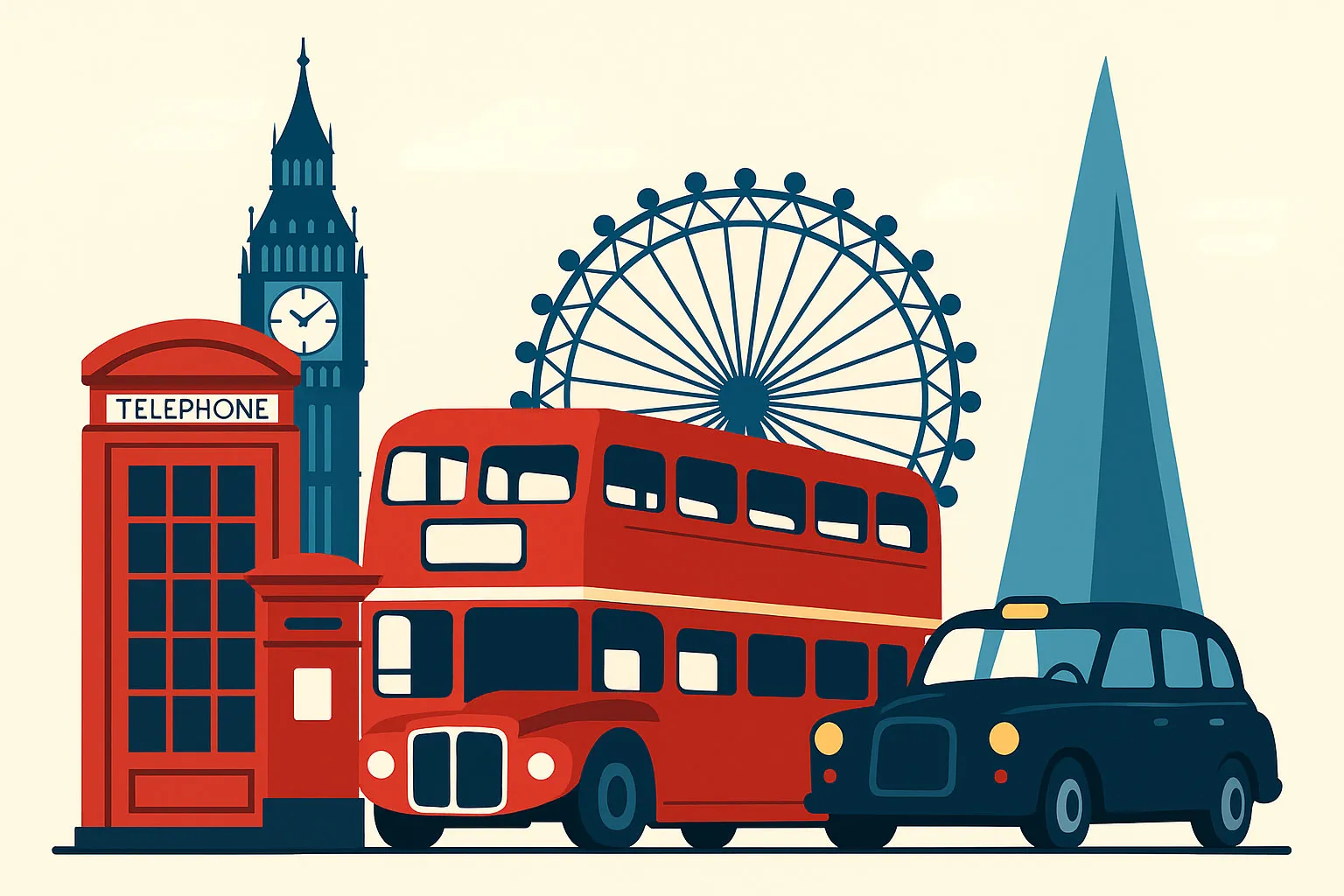
A red telephone box on the kerb. A red double-decker rolling past it. An oddly shaped black taxi. The London Eye or the silhouette of Big Ben in the background. These are the things you expect to see in a classic photograph of London — details that surface in the mind of someone who has never set foot in the city.
How does a place become a brand? Companies build a brand identity to stay memorable and sell more. Cities have identities too — sometimes carefully worked at, sometimes inherited from geography and history. San Francisco is the heart of technology; New York is the city that never sleeps; Istanbul is the bridge between East and West. London is one of the most successful examples of city branding anywhere — and it built much of that brand out of ordinary public infrastructure.
Despite sitting further north than most European capitals, in a tourist-unfriendly climate, London is consistently one of the most-visited cities on Earth. Nearly every country sells its architecture, old and new, as a tourist draw. But in London’s case, a handful of supporting details get emphasised far more than the buildings.
The Quiet Residents of the Pavement: Red Phone Boxes and Post Boxes
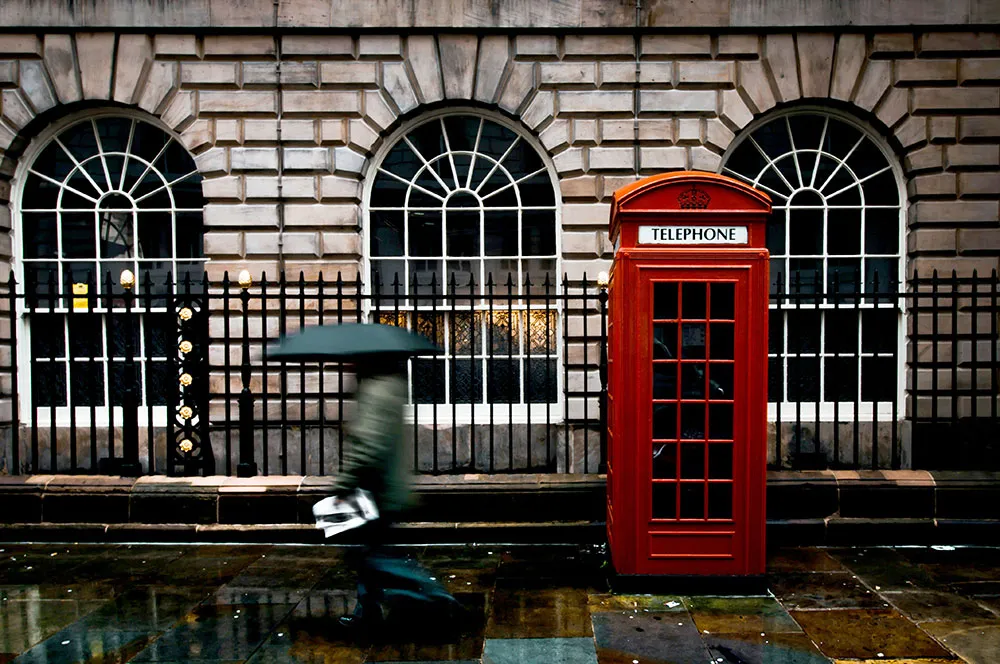
The red telephone box, today inseparable from the London street, began life as a piece of public utility. Over time it became far more than a place to make a call — it became the city’s postcard face.
The first public telephone box, made of concrete and called the K1, appeared in the early 1920s. Nobody much liked its design or its use, so a competition was held in 1924. The winner was one of the era’s leading architects, Sir Giles Gilbert Scott, whose K2 model was both durable and elegant. Variations followed; in 1935, to mark the silver jubilee of King George V, the K6 (Jubilee model) was designed — and that design is still in use. As home and mobile phones spread, the boxes lost their function. Today most have been turned into decorations on the cityscape, or into miniature libraries and tiny shops.
The other red symbol of the city — and the country — is the post box. In an age of email, it is surprising how common letters and posted documents still are in Britain and across much of Europe; every home’s postcode and post box matters. Post boxes stand at countless points across every city. You drop your letter in; Royal Mail staff empty the boxes daily and forward the mail. A small plate shows the collection times. And the monograms on the boxes record which monarch’s reign they were installed under — “ER”, for example, for Elizabeth Regina, the reign of Queen Elizabeth II.
Post boxes were first installed in Britain in the reign of Queen Victoria, and they were originally green. Red came later — and the red post box, on every corner of the city, became in its way the emblem of the traditional British postal system.
Red and Black on the Move
Alongside its fixed symbols, London’s moving ones matter just as much to the city’s identity. There are many red things that come to mind with London, but perhaps the liveliest is the red double-decker bus. These buses are not just transport; they are a symbol on wheels, lodged in the shared memory of commuters, tourists, and photographers alike.
The most famous model of this bus, which came into use early in the twentieth century, was the Routemaster, designed in the 1950s and run for decades. New safety and accessibility laws gradually retired it — but London never fully gave up the icon. In 2008 a competition for a new London bus was announced, and in 2012 a modernised version, the New Routemaster, entered service, joining past and future on the same route.
London’s other iconic vehicle is the Black Cab, the black London taxi. Nostalgic outside, functional within, and driven by a highly trained cabbie, these carry not just passengers but reputation and tradition. Their history reaches back to the seventeenth century, to the licensed horse-drawn “Hackney Carriages”; with the rise of motor vehicles, that system became the taxi trade in the twentieth century. The Hackney Carriage licence is still valid today, and obtaining it is considered one of the hardest professional qualifications in London. Drivers must pass a gauntlet: medical tests, a criminal-record check, the city-geography exam known simply as “The Knowledge,” and a driving test, before they can become a Black Cab driver.
A City With a Memory Is a City Remembered
Many more examples could be added — you can think of your own. London’s success lies not in turning its symbols into mere marketing material, but in keeping them alive as an inseparable part of daily life. That way the city, instead of losing itself to the flow of time, keeps rebuilding its past inside its present.
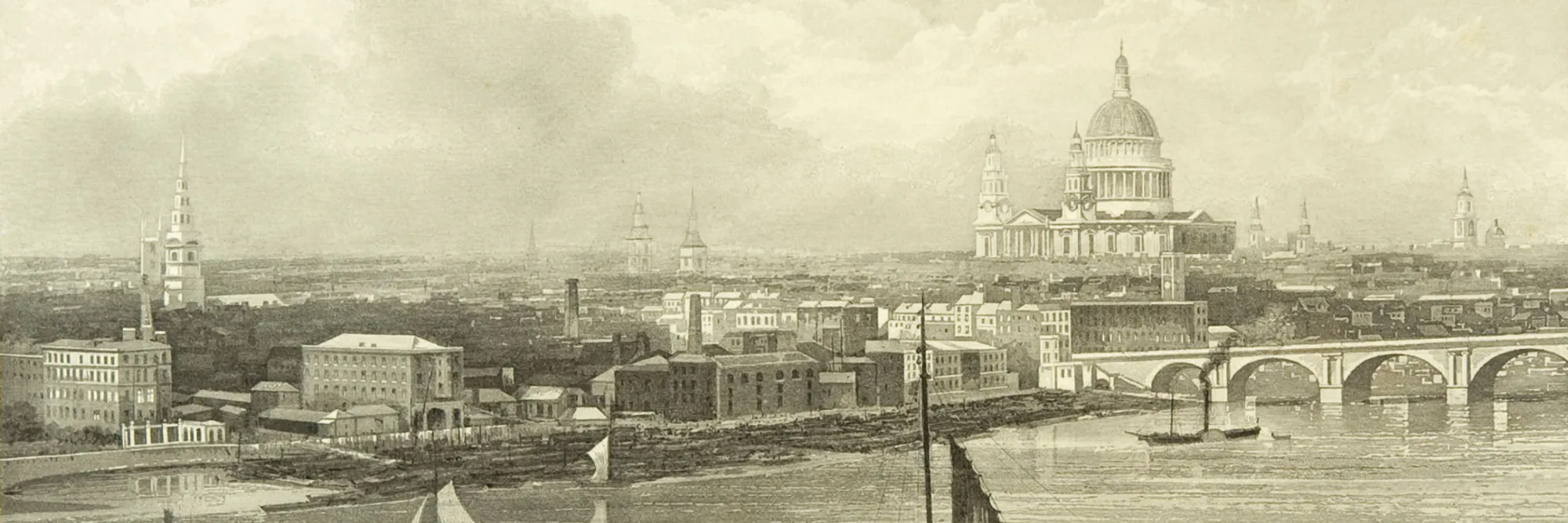
Not everything in London smells of history, of course; not every corner reflects an old texture. There are skyscrapers like The Shard and vast modern structures like the London Eye. But London is one of the rare world cities that knows how to keep the past alive rather than only build the new — blending past and future to carry the city’s memory forward.
There is a general impression worth noting, too. Western cities, compared with those of the East, have an orderliness, but also something cold, grey, and colourless about them; London’s grey skies and the lingering traces of empire deepen that feeling. The cities of the East, by contrast, are alive within their disorder, warmer amid the crowd. The aim of this piece is to show, through examples that build the future out of the past, that cities with a memory are the cities that get remembered.
Sources
- Andy Sutton, The Evolution of the British Phonebox, 2017.
- Hüseyin Altunbaş, Pazarlama İletişimi ve Şehir Pazarlaması: “Şehirlerin Markalaşması”, 2007.
- British Symbols, Project Britain — projectbritain.com/symbols.html.
Adapted from “Marka Şehir Londra” by Tuna Ser, originally published in Yedikıta Dergisi.