
United States · north america
How New Amsterdam Became New York?
A city carried three names — French, then Dutch, then English — before it became the one the whole world now recognises.
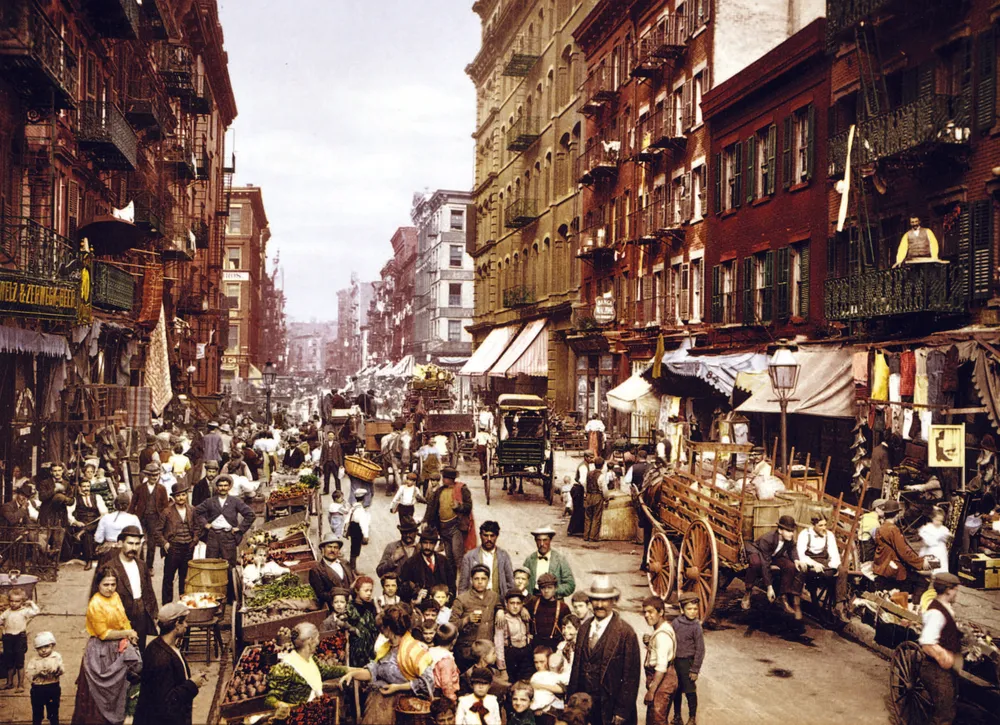
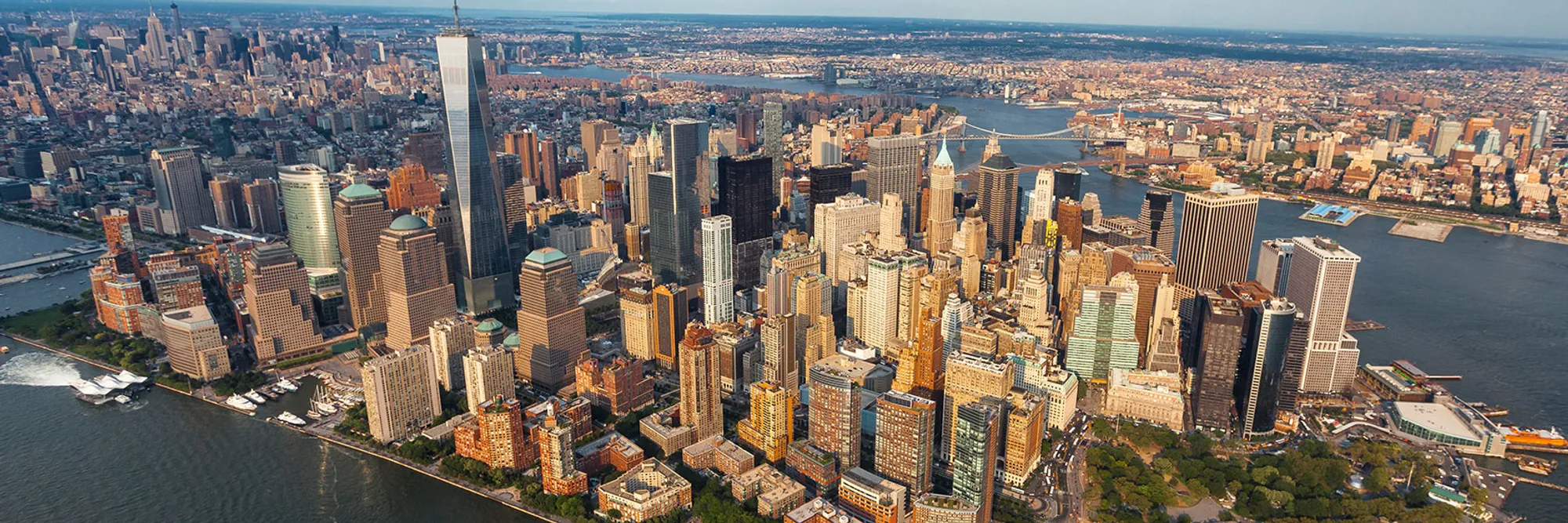
Say “a city of skyscrapers” and most people picture one place: New York. But the name New York arrived from England — and before England it was Dutch, and before the Dutch, briefly, it was French. The most recognisable city on Earth spent its first century and a half changing its name every time its harbour changed hands.
The United States, as the name admits, was assembled from many separate colonies. Its early history is a story of rivalry — European powers racing for the same coastlines, then fighting each other for them, then the thirteen English colonies turning on the mother country. The city that would become America’s first capital sits right at the centre of that scramble.
The New City of the New World
In the sixteenth century, the royal houses of Europe were racing to find a sea route to India. One side effect of that race was the European “discovery” of the harbour where New York now stands. The first to arrive was the Italian navigator Giovanni da Verrazzano, sailing for the French crown in 1524. He named the place Nouvelle Angoulême — “New Angoulême” — in honour of the Count of Angoulême, soon to be King Francis I of France.
The French name did not stick. In 1609 the Dutch ship Half Moon, captained by the Englishman Henry Hudson, sailed into the harbour and up the river that still carries his name. Hudson’s crew made contact with the indigenous nations of the valley and brought back the observations that would launch Dutch colonisation. But no serious European settlement appeared until 1624.
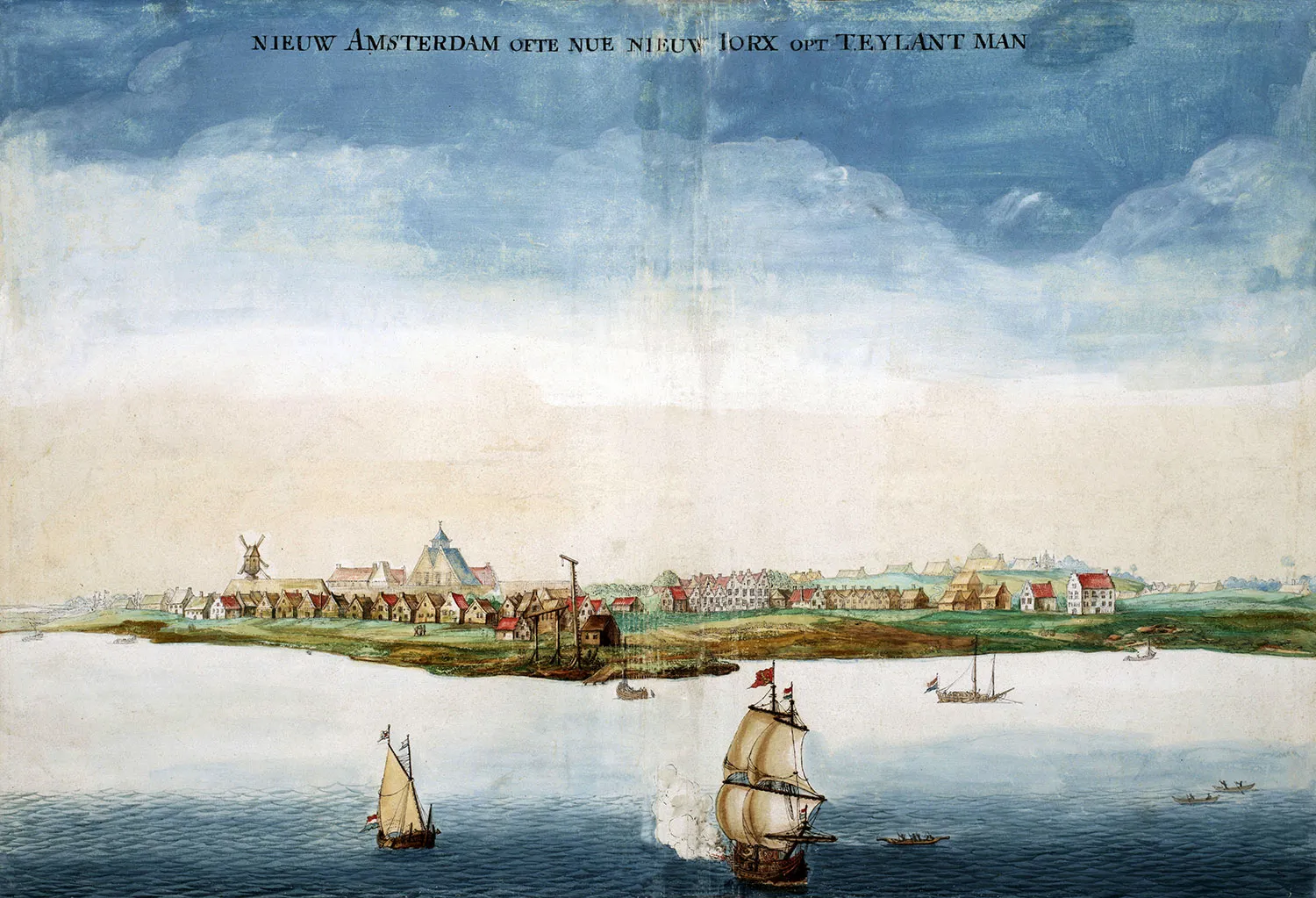
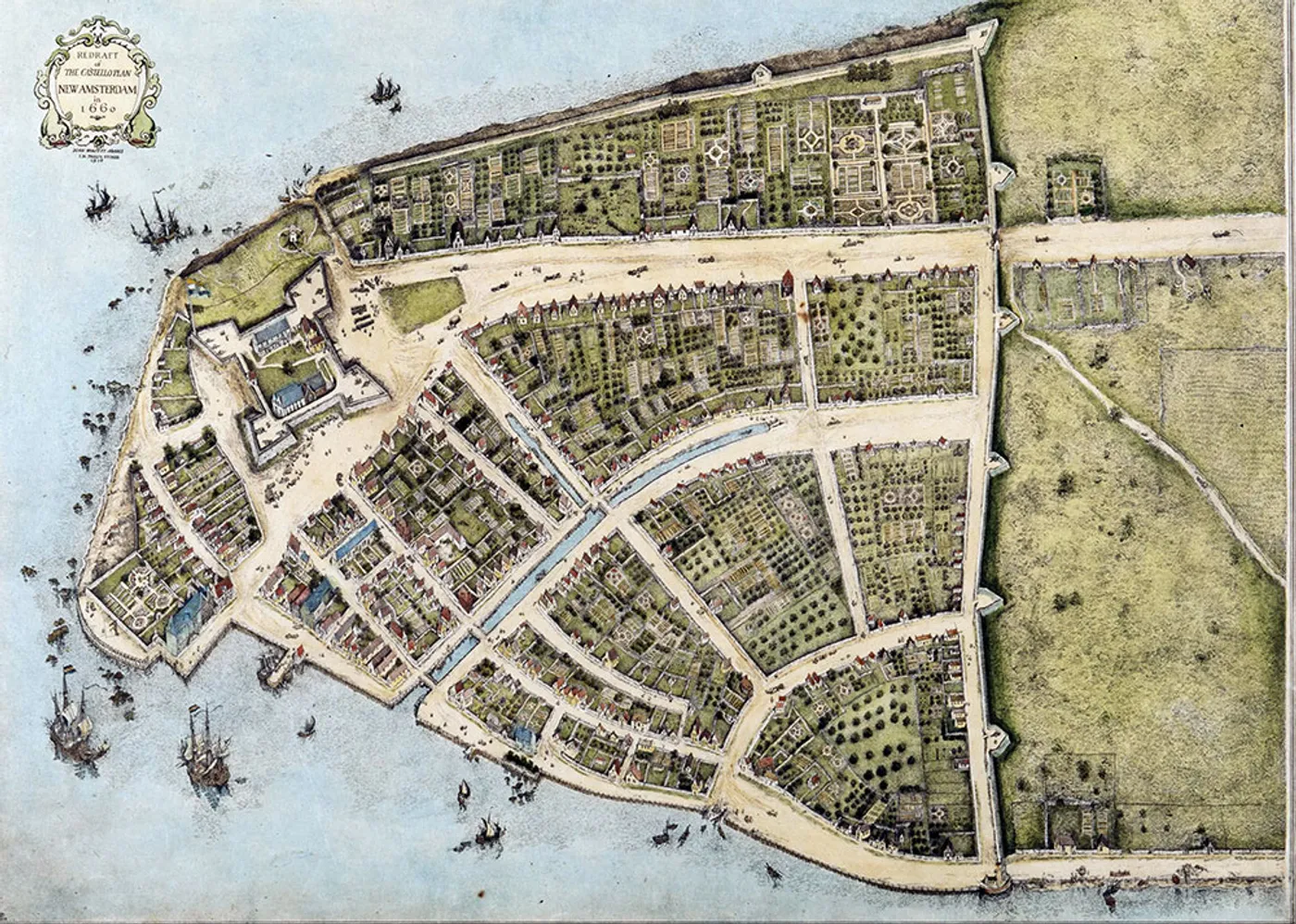
In 1624 the Dutch West India Company founded the colony of New Netherland, and the settlement at the tip of Manhattan grew into a town the Dutch called Nieuw Amsterdam — New Amsterdam. To shore up their claim, the Dutch governor Peter Minuit formally bought Manhattan from the local people in 1626, for a famously small sum. Dutch rule over the town lasted about forty years.
The Last Word — and the Name — Went to England
Conflict between the European powers in America was inevitable; each one wanted more colonies and more land. New Amsterdam was a particular prize. It commanded the Atlantic gateway between America and Europe — a door, not just a town. In 1664, during the long Anglo-Dutch rivalry, New Amsterdam surrendered to Colonel Richard Nicolls on 8 September without a shot fired in its streets. The town was renamed New York, in honour of the Duke of York — the future King James II of England.
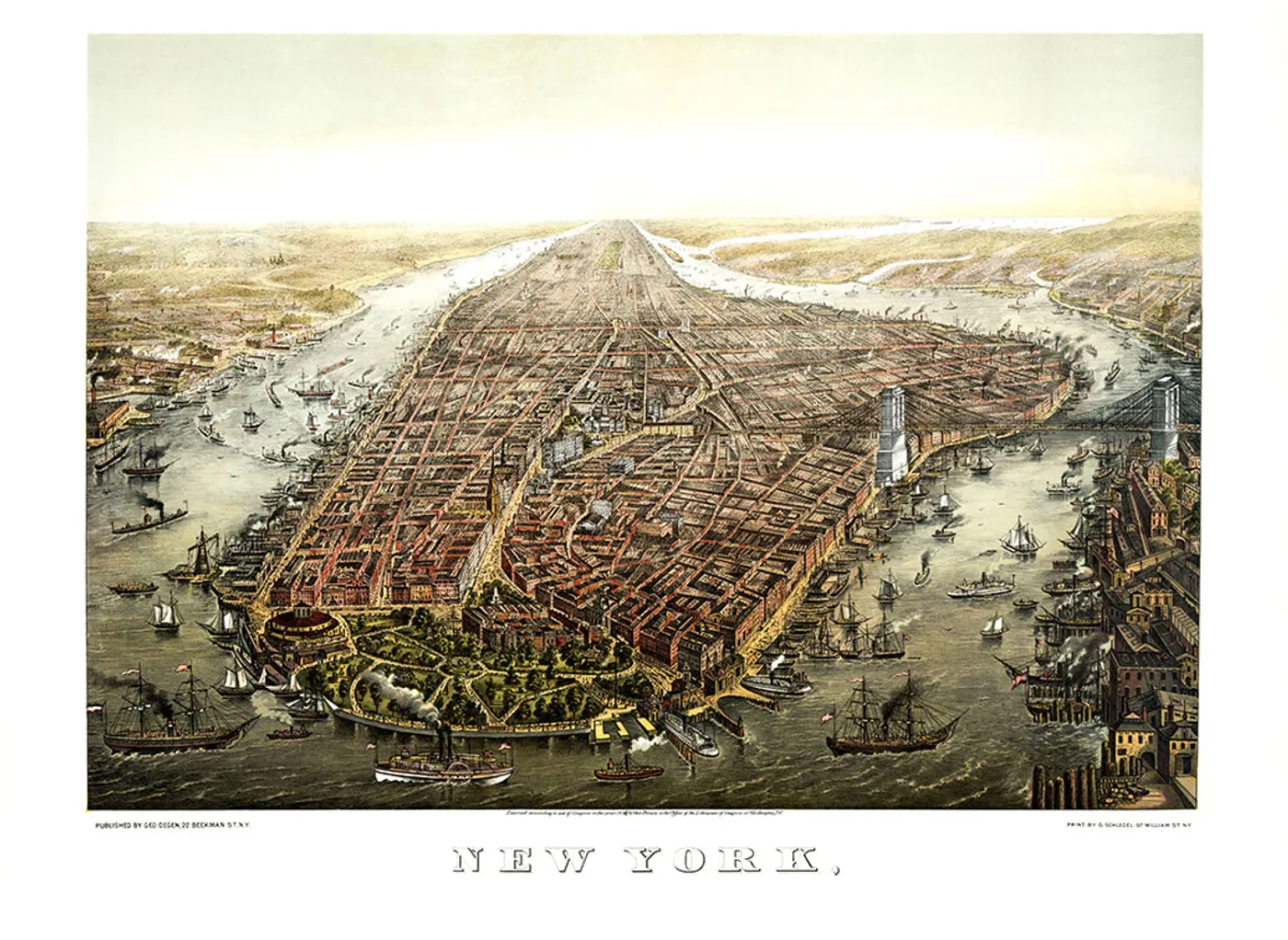
The Dutch briefly retook the city in 1673–74, but otherwise it stayed in English hands until the American Revolution. After the thirteen colonies won their independence, New York served as the first capital of the new United States in 1789–90 — the city where George Washington was sworn in as the country’s first president. Even after the capital moved to Washington, the city kept growing, until it became the skyline the world now pictures without being told its name.
A Country of “News”
The Old World called the Americas the New World — so the names that the settlers planted there leaned heavily on the word new. A newcomer simply prefixed the name of the town he had left, and there was a fresh city. More than a hundred US place names begin with “New,” like European branch offices on the far side of the Atlantic.
- New London — John Winthrop Jr., one of the first governors of the Connecticut Colony, founded the thirteenth English settlement in Connecticut here in 1646; it eventually took the name New London.
- New Jersey — named for the island of Jersey, the largest of the Channel Islands.
- New Ulm — founded in 1854 by the Chicago German Land Company and named for Neu-Ulm in Bavaria.
New Madrid, New Mexico, New Kensington, and dozens more — once you know the rule, the map almost reads itself.
Sources
- Allan Nevins and Henry Steele Commager, A Short History of the United States, Istanbul, 1961.
- New York City, Encyclopædia Britannica — britannica.com/place/New-York-City.
- The Twin Mysteries, Hudson River Valley Institute — hudsonrivervalley.org/the-twin-mysteries.
Adapted from “New Amsterdam Nasıl New York Oldu?” by Tuna Ser, originally published in Yedikıta Dergisi.